Application
1. Industrial wastewater, ceramic suspensions and ceramic glazes, salt solutions, paints.
2. Kaolin slurry, bentonite slurry, resins, brewery wastewater.
3. Yeast suspension, egg liquid, gel, fish farming wastewater, spray paint wastewater, hydroxides.
4. Silicates, concentrated working fluids of tin, zinc, tungsten, nickel, etc., and others, graphite.
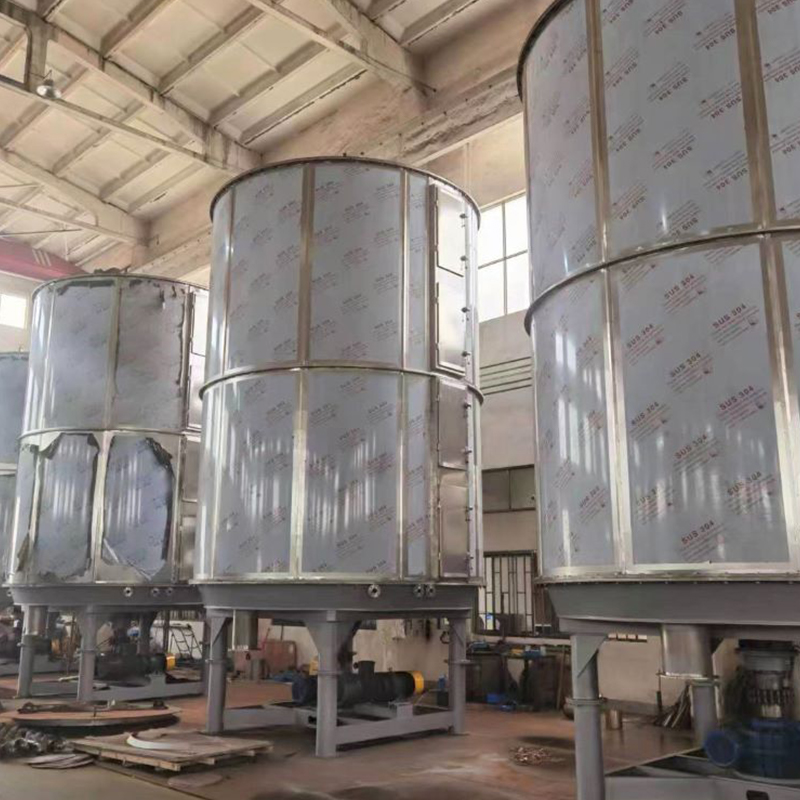
5. In addition to being used to extract dry substances from liquids, it can also evaporate part of the liquid for concentration. Disc dryers are also a reliable alternative to vertical thin film evaporators.
Structure drawing
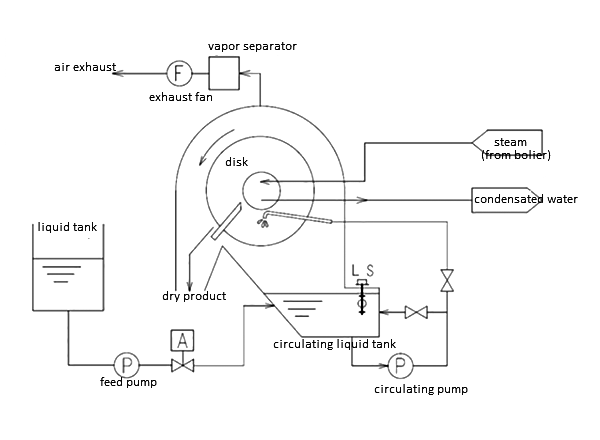
Liquid is supplied to the Disk surface
The raw liquid from the circulation tank is pumped to the disk through the liquid inlet pipe. The liquid spreads into a thin film, which improves the heat transfer efficiency. The excess solution returns to the circulation tank and is pumped again.
Drying
The solution attached to the surface of the heating disk is dried as the disk rotates. By changing the rotation speed of the disk and the steam pressure (drying temperature), the processing capacity and the moisture content of the dried product can be adjusted.
Dry material collection
The scraper scrapes the product off the disc surface. The scraper continuously cleans the disc surface (heat exchange surface) to maintain good heat conductivity
Compact structure
The space saving of the disc dryer is about 40% of that of a twin-drum dryer with the same heat transfer area.
Comparison of dryers
1. Disc dryers are unique in many other ways.
2. Compatible with a wide range of applications, including powder production, drying/concentrating and recycling of waste liquids.
3. Save space and reduce installation costs by using one unit to dry and pulverize all types of liquids (organic or inorganic).
4. Dry waste liquids to reduce their volume.
5. Sell and profit from recovered resources such as precious or rare metals.
6. Protect the global environment while reducing costs for your business.
Technical parameters
|
Model
|
CD-500
|
CD-903
|
CD-906
|
CD-908
|
CD-910
|
CD-912
|
CD-1206
|
CD-1208
|
CD-1210
|
CD-1212
|
CD-1216
|
|
Disk diameter (mm)
|
540
|
900
|
1200
|
|
Disk quantity
|
1
|
1~12
|
6~16
|
|
Transfer area/disc (㎡)
|
0.4
|
1
|
2
|
|
Total transfer area(㎡)
|
0.4
|
1~12
|
12~32
|
|
Dimension1 (mm)
|
1390
|
2070
|
2690
|
3070
|
3490
|
3940
|
3680
|
4130
|
4580
|
4980
|
5780
|
|
Dimension2 (mm)
|
2180
|
2440
|
2940
|
2940
|
2940
|
2940
|
4700
|
4700
|
4700
|
4700
|
4700
|
|
Dimension3 (mm)
|
1820
|
1770
|
1770
|
1770
|
1770
|
1770
|
2250
|
2250
|
2250
|
2250
|
2250
|
Part of the cases
|
Material name
|
Initial moisture
(%)
|
Final moisture
(%)
|
Steam pressure(MPA)
|
Input capacity
(kg/㎡/h)
|
Output capacity(kg/㎡/h)
|
|
Ceramic liquid
|
67
|
0.2
|
0.3
|
100
|
33
|
|
Ferrite liquid
|
60
|
0.1
|
0.3
|
175
|
70
|
|
Dyestuff
|
70
|
3.0
|
0.1
|
54
|
17
|
|
Yeast
|
88
|
5.0
|
0.3
|
80
|
10
|
|
Distillation residue
|
91
|
11.0
|
0.3
|
60
|
6
|
|
Milk
|
89
|
1.2
|
0.15
|
29
|
3
|
|
Water paint
|
98
|
10.0
|
0.13
|
63
|
1
|
|
Preservative
|
88
|
4.0
|
0.25
|
36
|
5
|
|
Strong brine
|
80
|
10.0
|
0.25
|
48
|
11
|
|
Oily wastewater
|
88
|
17.0
|
0.3
|
52
|
8
|



 English
 русский
 عربى
عربى Türk
Türk
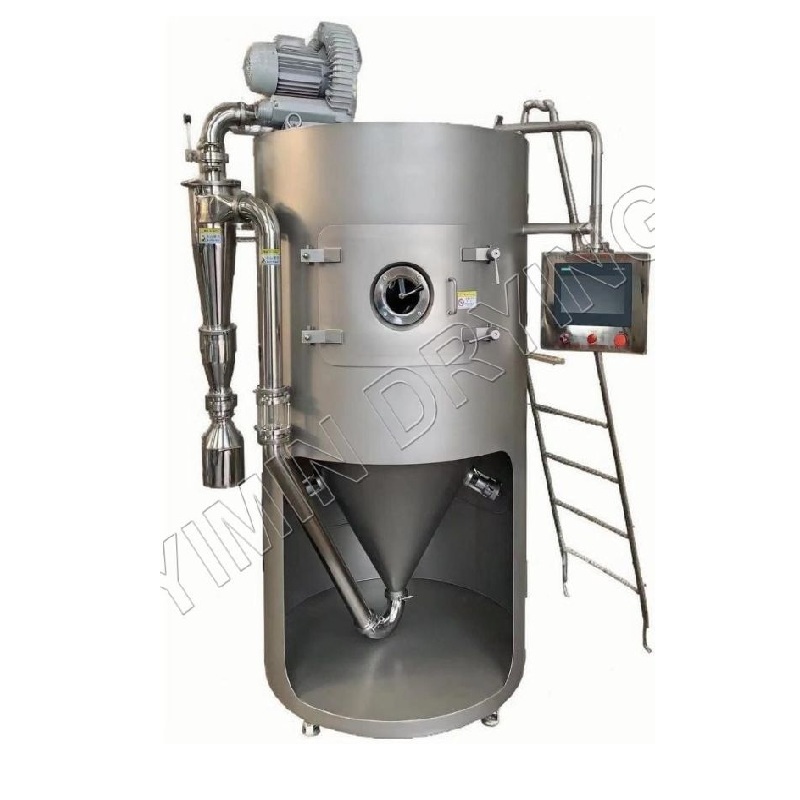 The Centrifugal Spray Dryer: Precision in Powder Production
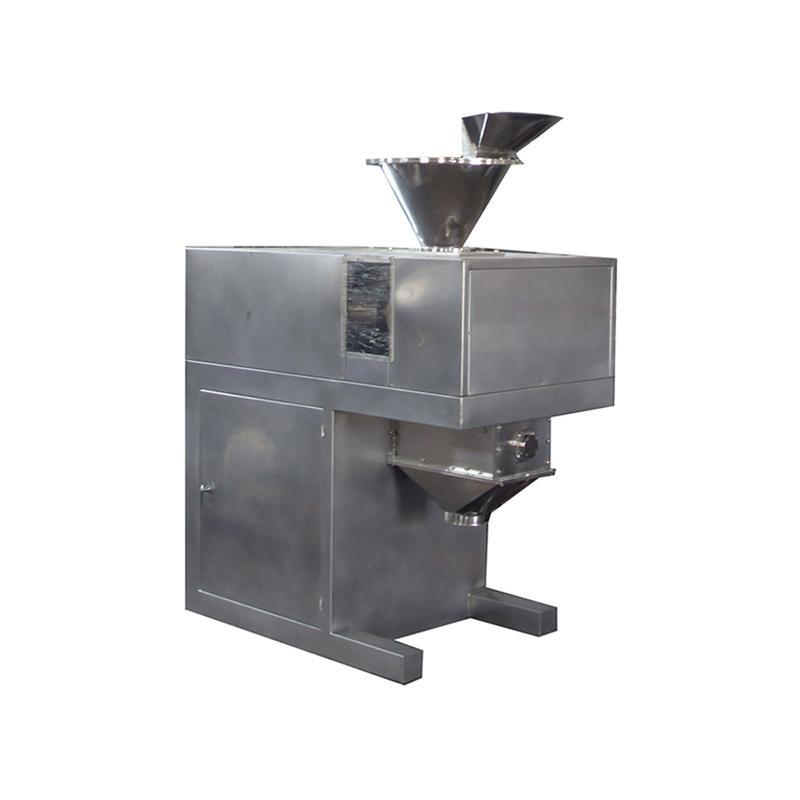 Beyond Pharmaceuticals: The Broad Industrial Applications of Dry Granulation
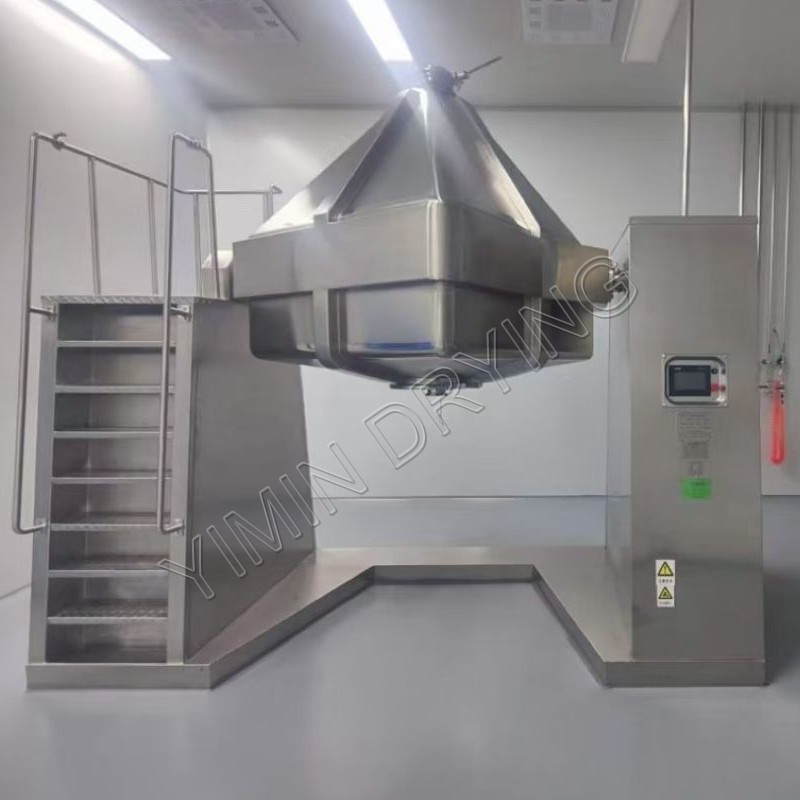 What is the main difference between batch and continuous powder mixers?